
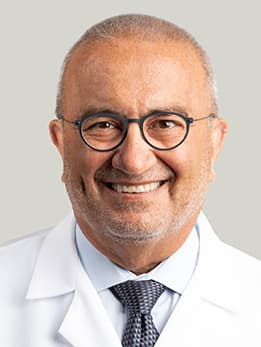
Issam A. Awad, Prof., Department of Neurological Surgery, University of Chicago Medicine and Biological Sciences, Chicago, IL (USA).
Professor I. Awad is a leading vascular neurosurgeon and researcher in the field of cerebral cavernous malformations. He holds the John Harper Seeley Professorship in Neurological Surgery and Neurology and serves as Director of the Safadi Program of Excellence in Clinical and Translational Neuroscience. In addition, he is the Medical Director of the CCM Center of Excellence and a Senior Faculty Scholar at the Bucksbaum-Siegler Institute for Clinical Excellence.

Marco Cenzato, Prof., Chairman of the Neuroscience, Head & Neck Department, Great Metropolitan Hospital Niguarda Ca’ Granda – Milan (Italy)
Professor Marco Cenzato is a leading European expert in vascular neurosurgery and heads the Neurosurgery Department at Niguarda Ca’ Granda Hospital in Milan. He has extensive experience in the surgical treatment of complex cavernous malformations, particularly in eloquent brain areas.
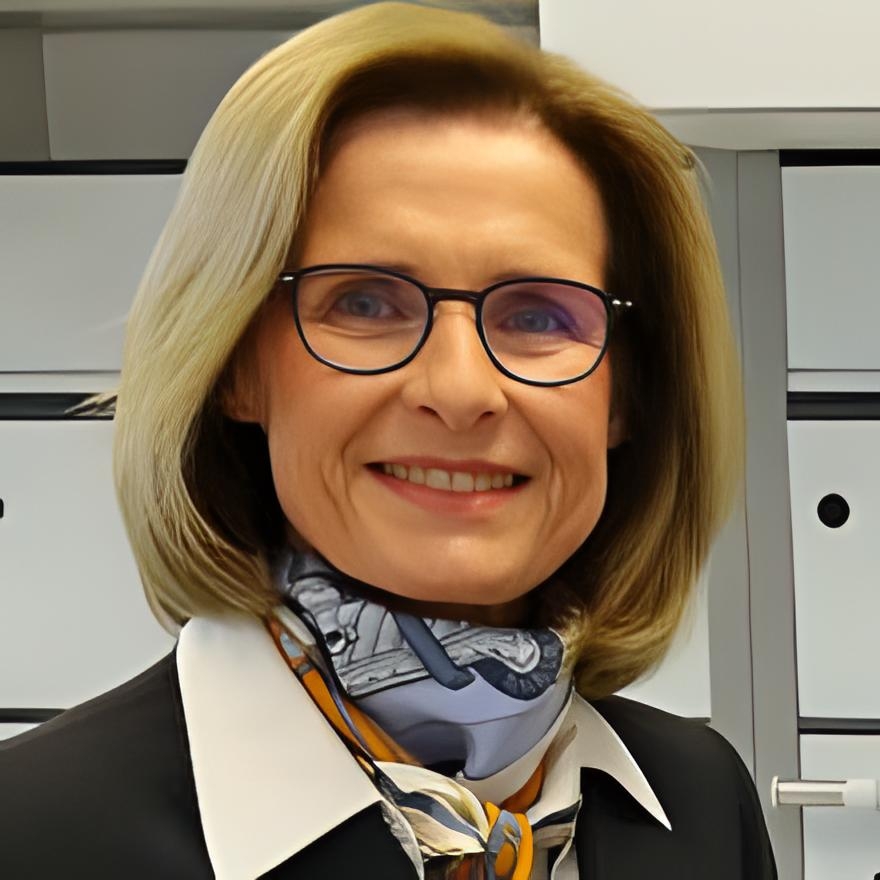
Ute Felbor, Prof., Human Genetics, Institute of Human Genetics, University Medicine Greifswald, Greifswald, Germany
Prof. Felbor is a geneticist renowned for her work on hereditary cerebral cavernous malformations (CCMs). Her research explores CCM1–3 gene mutations, genotype–phenotype correlations, and the molecular mechanisms—such as effects on endothelial cells and matrix metalloproteinases—that drive lesion development, hemorrhage, and progression. She also contributes to biomarker discovery and translational studies using organoid and iPSC models of CCM. With a prolific publication record and leadership in human genetics research, her work plays a critical role in advancing diagnostic and personalized treatment strategies for familial CCM.
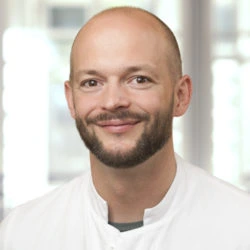
Philipp Dammann, Prof., Department of Neurosurgery, University Hospital Essen, Germany
Prof. Philipp Dammann is recognized for his contributions to neurosurgical research into brainstem cavernomas, particularly in grading and outcome assessment. He collaborated on defining the Dammann–Sure classification system, providing a robust framework for surgical decision-making. His academic work includes studies on functional recovery and complication rates following cavernoma surgery.
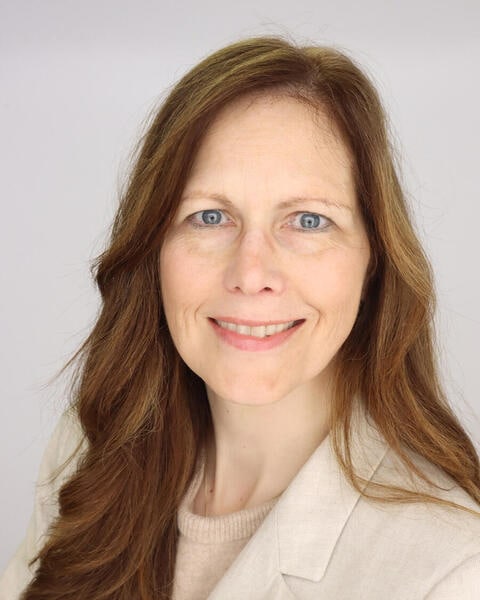
Kelly Flemming, MD, Mayo Clinic, Rochester, Minnesota, USA
Dr. Kelly Flemming (Mayo Clinic, USA) is an internationally recognized expert on genetically determined cavernous malformations. Her participation brings essential insights into the molecular pathophysiology and clinical management of these conditions. Her focus includes hemorrhage risk, seizures, pregnancy-related risks, and the influence of medications. Additionally, she is working on optimizing post-discharge patient care to reduce rehospitalizations and further vascular events.

Sebastien Froelich, MD, Professor & Head of Neurosurgery, Hôpital Lariboisière, Assistance Publique–Hôpitaux de Paris, Université Paris Cité, Paris, France
Prof. Sebastien Froelich is an internationally respected neurosurgeon and skull base specialist with extensive experience in microsurgical and endoscopic approaches to complex cranial pathology, including lesions involving the cavernous sinus and adjacent skull base regions. He leads the neurosurgery department at Lariboisière Hospital, which provides comprehensive care for neurovascular, skull base, spinal, and complex intracranial conditions. Prof. Froelich’s expertise in refined anatomy‑based techniques and outcome‑driven surgical strategies brings valuable perspectives to the congress—especially on multidisciplinary management of challenging vascular and skull base malformations.

Helen Kim, MPH, PhD, Prof., Director of the Center for Cerebrovascular Research, University of California – San Francisco, San Francisco, CA USA
Prof. Helen Kim’s work explores predictors of hemorrhagic stroke and outcomes following CCM treatment, employing both candidate gene and genome-wide strategies. She spearheads projects like the Biomarkers of Cerebral Cavernous Angioma with Symptomatic Hemorrhage (CASH) study, focusing on plasma-based markers and microbleed quantification through advanced imaging with multidisciplinary teams and as part of UCSF’s designated CCM Center of Excellence, Dr. Kim’s efforts aim to enhance risk stratification and guide personalized management of cavernoma patients.

Roberto Adriano Latini, Prof, Researcher, Department of Acute Brain and Cardiovascular Injury, Mario Negri Institute for Pharmacological Research, Milan, Italy
Roberto Adriano Latini is a researcher in the Department of Acute Brain and Cardiovascular Injury at Mario Negri Institute for Pharmacological Research in Milan, Italy. He plays a leading role in the Treat_CCM phase‑2 clinical trial evaluating the safety and efficacy of propranolol for familial cerebral cavernous malformations. Dr. Latini also co-led biomarker studies identifying plasma proteins like sROBO4, thrombomodulin, and CRP that predict lesion growth, hemorrhage, and neurological events in familial CCM patients. His work advances understanding of CCM progression and targets for therapeutic intervention.
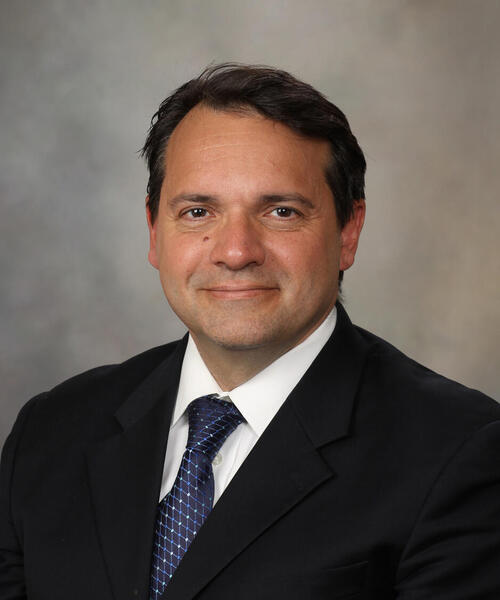
Giuseppe Lanzino, Prof., Department of Neurosurgery, Mayo Clinic, Rochester, MN, USA
Prof. Giuseppe Lanzino is a seasoned cerebrovascular neurosurgeon with significant experience managing cavernous malformations. He has co-authored key guidelines on cavernoma treatment and led studies comparing surgical and radiosurgical interventions. His work emphasizes interdisciplinary case evaluation, outcomes tracking, and functional preservation in eloquent brain regions.
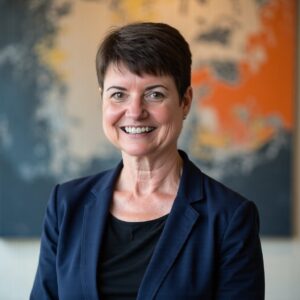
Connie Lee, CEO and Founder of the Alliance to Cure Cavernous Malformation
Connie Lee is the President and Founder of the “Alliance to Cure Cavernous Malformation” (USA), the leading international patient organization for cavernous malformations. She uniquely combines the patient perspective with scientific engagement and actively promotes collaboration between research, clinical practice, and affected individuals. Her participation strengthens the interdisciplinary approach of the meeting and highlights the importance of patient-centered research.
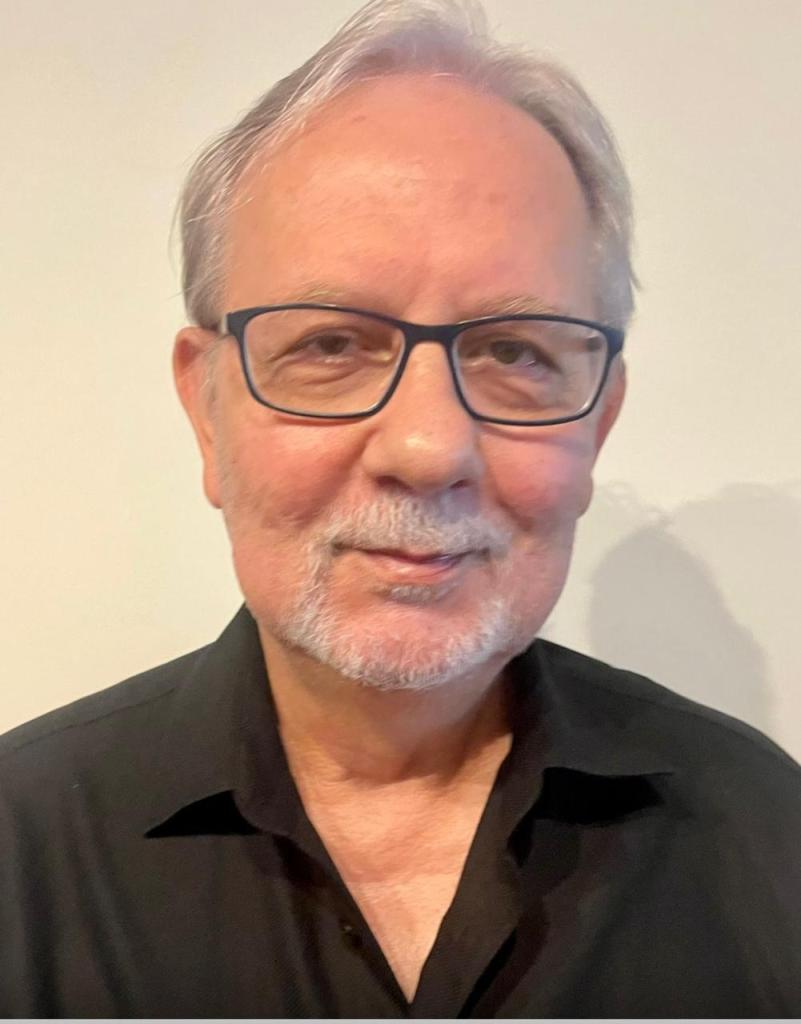
Jorge P. B. Marcondes de Souza, Prof., Department of Neurosurgery, Federal University of Rio de Janeiro (UFRJ), Rio de Janeiro, Brazil
Prof. Jorge P. B. Marcondes de Souza is a Brazilian neurosurgeon and professor at the Federal University of Rio de Janeiro (UFRJ), specializing in neurovascular and epilepsy surgery. He has extensive experience in the surgical treatment of deep-seated and brainstem cavernomas and has developed minimally invasive approaches, such as the “one-point technique,” to improve patient outcomes. Prof. Marcondes is also involved in international studies on cerebral cavernous malformations (CCMs), including pediatric cases and long-term follow-up analyses. His work focuses on optimizing surgical strategies and understanding hemorrhage risks, contributing significantly to the global advancement of cavernoma treatment.

Peetra U. Magnusson, Prof., Department of Immunology, Genetics and Pathology, Rudbeck Laboratory, Uppsala University, Uppsala, Sweden.
Professor Peetra Magnusson is a Professor of Neuropathology at Uppsala University and Head of the Rudbeck Laboratory, specializing in the molecular and histopathological characterization of vascular brain malformations, particularly cavernous malformations. Her research focuses on analyzing cellular signaling pathways and inflammatory processes contributing to the development and progression of cavernomas. She is also investigating potential biomarker-specific approaches to improve diagnostics and prognostic assessments.
Dr. Laurel Rauschenbach, MD, Neurosurgeon, Department of Neurosurgery and Spine Surgery, University Hospital Essen, Germany
Dr. Rauschenbach is a neurosurgeon specializing in neurovascular and spinal surgery at University Hospital Essen. He focuses on cerebral and spinal cavernous malformations, co-authoring a review on cerebrospinal cavernous malformations from Essen and leading a 2023 study evaluating functional outcomes after spinal cavernoma surgery . His research includes assessing quality of life in CCM-related epilepsy patients . Dr. Rauschenbach’s work advances evidence‑based strategies for timing, surgical technique, and post‑operative care in cavernoma management.
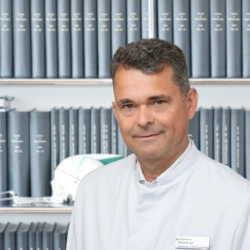
Ulrich Sure, Prof., Chair of Neurosurgery & Spine Surgery, University Hospital Essen, Germany
Prof. Ulrich Sure is known for his expertise in neurosurgical management of vascular malformations, including cavernomas in eloquent brain regions. He co-developed the Dammann–Sure grading system for brainstem cavernous malformations and has led studies validating surgical indications and functional outcomes. His work spans advanced microsurgical techniques and prospective analyses in cavernoma care.
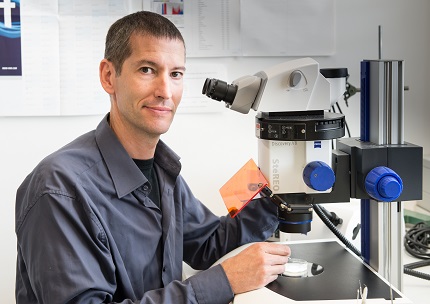
Salim Seyfried, Prof., Chair of Zoophysiology, Institute of Biochemistry and Biology, University of Potsdam, Germany
Prof. Salim Abdelilah-Seyfried leads a research group at the University of Potsdam focused on the molecular and mechanobiological mechanisms underlying cerebral cavernous malformations (CCMs). Using advanced zebrafish models and in vivo imaging, his team investigates the cellular processes that contribute to vascular malformation development and lesion stability. His work has significantly advanced the understanding of endothelial cell dysfunction, vascular barrier integrity, and the genetic pathways involved in CCM formation. Prof. Seyfried’s translational research supports the development of potential pharmacological therapies targeting the vascular mechanisms of cavernomas.
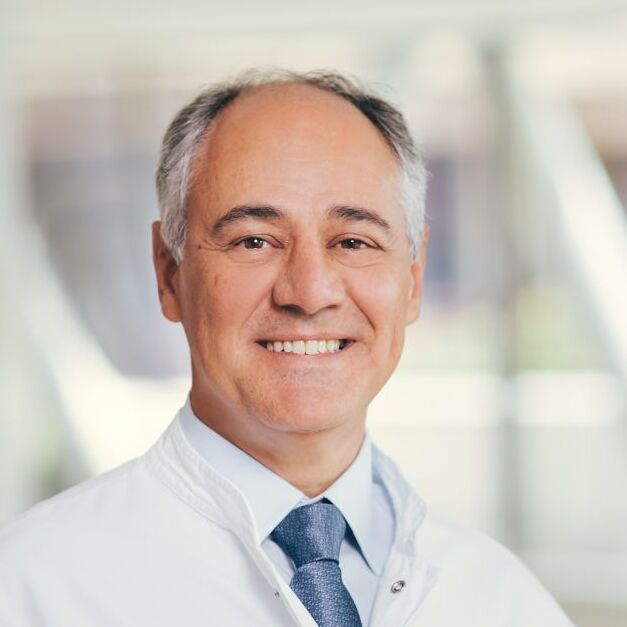
Marcos Tatagiba, Prof., Chair of Neurosurgery, University Hospital Tübingen, Germany
Prof. Marcos Tatagiba is a global leader in vascular neurosurgery with a special interest in cavernous malformations. He applies advanced microsurgical approaches to deep and eloquent-area cavernomas, emphasizing intraoperative imaging and neurophysiological monitoring. His clinical series and publications share refined techniques and outcome data to improve safety and efficacy in cavernoma surgery.
Yuan Zhu, Prof, Department of Neurosurgery and Spine Surgery, University Hospital Essen, University of Duisburg‑Essen, Essen, Germany
Prof. Dr. Yuan Zhu is a researcher at University Hospital Essen, with a strong focus on cerebral cavernous malformations (CCMs). Her work includes a key in vitro study of endothelial cells from sporadic CCMs, demonstrating altered angiogenesis and VEGF signaling. Prof. Dr. Zhu’s research spans basic mechanisms and clinical outcomes, enhancing both understanding and treatment of cavernomas.
 European Cavernoma Meeting 2026